







Preparing for the 2026 HVNL reforms: how proactive safety management can create a competitive advantage
With the 2026 Heavy Vehicle National Law (HVNL) reforms commencing on 1 August, the Australian heavy vehicle industry is shifting from reactive compliance to proactive safety management. The transition to the new Heavy Vehicle Accreditation (HVA) framework demands that operators actively identify and control risks like driver fatigue before incidents occur. Embracing active intervention technologies, such as Seeing Machines’ Guardian, allows fleets to turn real-time safety data into a true competitive advantage.
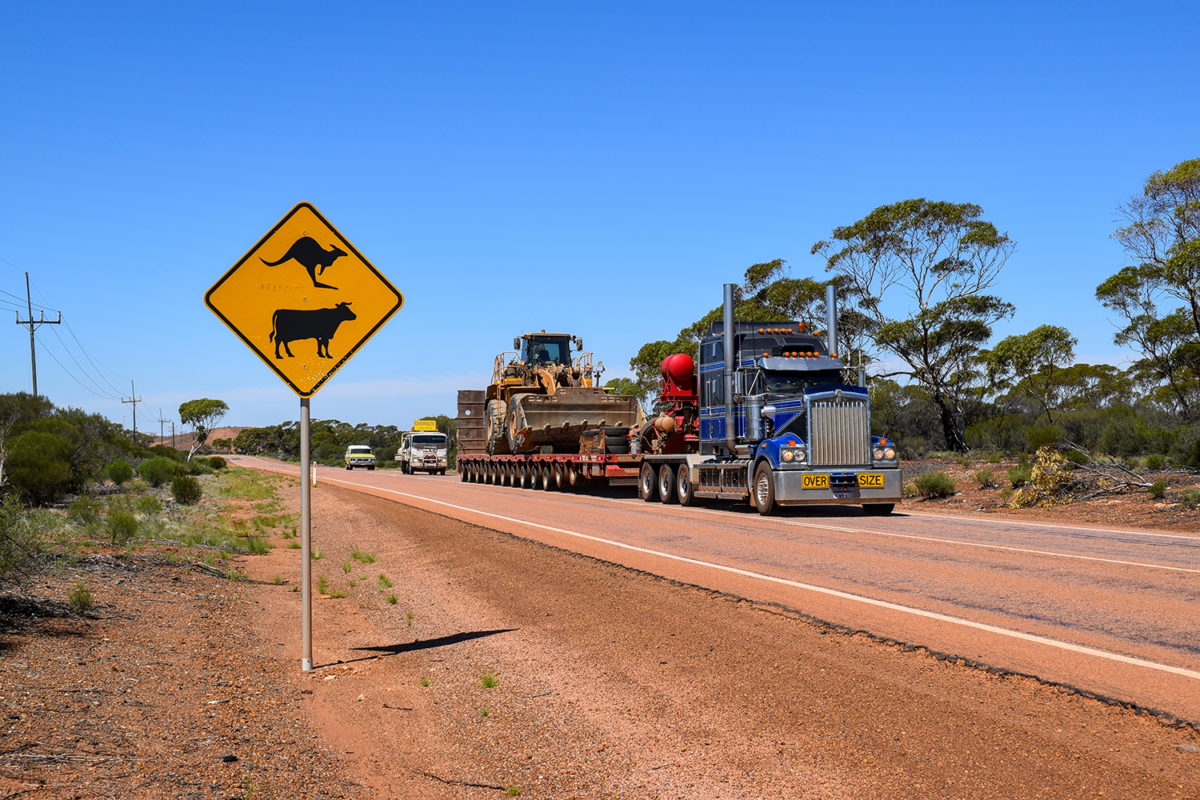
On 1 August 2026, the Australian heavy vehicle industry will enter a new era of safety assurance, with Heavy Vehicle National Law (HVNL) reforms placing greater emphasis on proactive safety management, evidence-based decision making and continuous improvement.
The changes will see the transition from the current National Heavy Vehicle Accreditation Scheme (NHVAS) to the new Heavy Vehicle Accreditation (HVA) framework, supported by an updated Safety Management System (SMS) Standard.
The message from the National Heavy Vehicle Regulator (NHVR) is clear: effective safety management is about more than having policies and procedures in place. Operators must be able to demonstrate that they are identifying hazards, implementing appropriate controls and continuously improving how they manage risk across their operations.
For transport operators, fatigue and distraction continue to be two of the most significant contributors to heavy vehicle safety incidents. The challenge lies in identifying and managing these risks before they escalate into serious events.
Moving from reactive response to proactive risk management
Traditional safety approaches have often relied on reviewing incidents after they occur. While incident investigation remains an important part of safety management, modern systems increasingly focus on identifying potential issues earlier and implementing controls before harm occurs.
Technology can play an important role in supporting this shift. Fatigue and Distraction Detection Technologies (FDDT) provide operators with additional visibility, helping them understand when and where risks are emerging across their operations.
Seeing Machines’ Guardian technology uses advanced computer vision and artificial intelligence to monitor driver alertness and attention in real time. When signs of fatigue or distraction are detected, Guardian provides immediate in-cabin alerts, helping drivers recognise the danger and take corrective action before the situation escalates.
This active intervention approach supports operators looking to strengthen their fatigue controls and build a more proactive safety management system.
Turning safety data into operational insight
A key element of effective safety management is assurance – understanding whether controls are working and where improvements can be made.
Objective safety data can provide operators with valuable insights into fatigue and distraction trends across their fleet, helping identify higher-risk routes, operating conditions or scheduling patterns that may require attention.
With Guardian, fatigue and distraction events are detected, verified and analysed through a combination of onboard technology and Guardian’s 24/7 monitoring capability. These insights allow fleet managers to have more informed conversations with drivers, review operational practices and make evidence-based decisions that support continuous improvement.
Rather than relying solely on reactive reporting or driver recollection, data-driven safety insights provide another tool to help operators better understand what is happening across their fleet and respond with confidence.
Safety and productivity are not competing priorities
A stronger understanding of fatigue risk can help operators make more informed decisions about rostering, scheduling and operational practices.
For operators seeking greater flexibility in managing fatigue, the new Alternative Compliance Accreditation – Fatigue (ACA-F) pathway provides a performance-based approach that allows operators to propose work and rest arrangements suited to their operations, supported by appropriate risk controls and evidence.
Technology is one part of a wider safety framework – helping operators better understand their operations, evaluate the effectiveness of controls and demonstrate a commitment to continuous improvement.
Building the future of heavy vehicle safety
The Australian 2026 HVNL reforms represent an important step towards a more proactive, evidence-based approach to heavy vehicle safety.
For operators, the opportunity is not simply to prepare for a regulatory change, but to strengthen the systems, processes and technologies that help protect drivers and communities every day.
By combining strong safety leadership with effective risk controls and meaningful data insights, fleets can create safer operations while building a foundation for long-term success.