







Detecting impairment in drivers could save thousands
We exist to get everyone home safely, so it’s no surprise that Seeing Machines is now developing solutions for impairment detection to mitigate risks of drunk and drug-related driving, another huge killer on our roads. Peter Brewer of The Canberra Times spoke to John Noble and Paul McGlone to understand exactly what that meant and how it could work when installed into cars, something the US regulators are looking to mandate in the next few years.
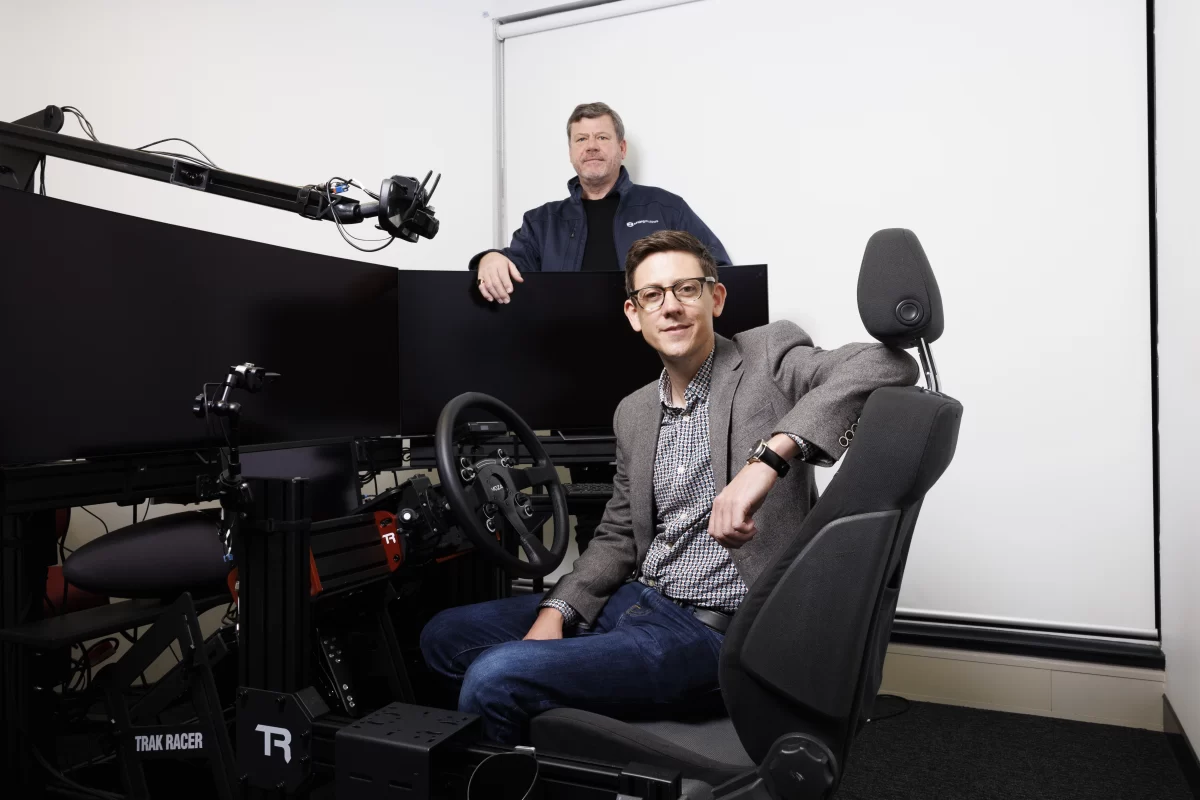
FORGET about friends making judgement calls about your poor dress sense; your next car could make a call on whether you are fit to drive.
And if a Canberra tech company’s approach is adopted by regulators, then the simple act of detecting whether you’ve had a glass of wine at dinner then would trigger a raft of vital safety decisions by your car’s on-board computer.
These could range from the extreme – a complete lockout to driving – to ramping up all the next-generation safety systems to potentially compensate for what it “sees” – quite literally – as your level of driving impairment.
In the technology race to prevent drivers impaired by drugs and alcohol killing themselves or others on the road, Seeing Machines has vaulted ahead of the rest.
And the irony is that now Australia no longer has a domestic car-making industry, it has to depend on the regulatory courage of safety authorities in Japan, China, the US and Europe – as well as the commercial impetus and will of the car makers – to bring the life-saving technology to our shores.
There are cases where there are potentially very difficult consequences to those types of lockout systems.
John Noble
Read the full Canberra Times article to learn more about Seeing Machines’ work to develop impairment detection solutions.
